
Pool
Decks
Where summer memories are made.
A pool without a great deck is like a car without wheels — technically functional but missing the point. Canadian pool decks need to handle constant water exposure, bare feet, pool chemicals, and dramatic temperature swings. The right material and design choices make the difference between a poolside paradise and a slippery, stained disappointment. With the short Canadian pool season (June–September in most provinces), your pool deck should look stunning and perform flawlessly every day it's in use.
Design Tips
Slip Resistance is #1
Choose textured or brushed surfaces rated for wet conditions. Composite boards with enhanced grip, textured concrete, or natural stone with a flamed finish are all good options.
Plan for Drainage
Pool decks get wet constantly. Ensure 2% slope away from the pool and house. Drainage channels or gaps between boards prevent standing water.
Create a Sun Shelf
A stepped-down section at pool edge (6–8" above water) with lounger space is the ultimate poolside upgrade. Think resort-style tanning ledge.
Shade Zones
Include at least one shaded area — a pergola, cantilever umbrella, or shade sail. Sun protection is essential, especially for families with kids.
Material Temperature
Dark-coloured decking gets scorching in direct sun. Choose lighter tones or materials with low heat retention. Bare feet on a hot deck ruins the experience.
Recommended Materials

Composite
→Modern composites with capped polymer shells resist pool chemicals, won't splinter, and offer textured slip-resistant surfaces.

PVC
→Zero water absorption means no warping, no mould, and no staining from pool chemicals. The best performer in wet conditions.
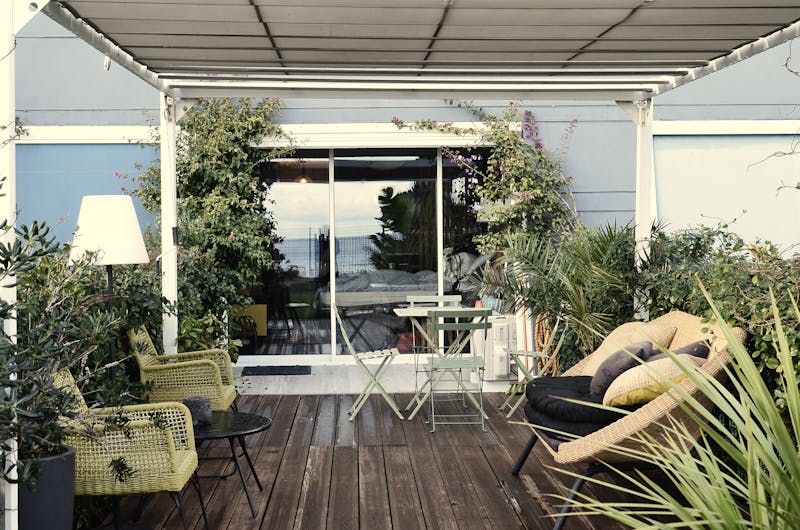
Ipê
→Natural hardwood that's incredibly dense and naturally slip-resistant when wet. Handles pool chemicals without degradation.
Gallery



Key Considerations
- Pool deck materials must resist chlorine and salt water — avoid untreated softwoods near pools
- Leave adequate expansion gaps — pool decks see extreme temperature swings from cool mornings to hot afternoons
- Fencing requirements: most Canadian provinces require a minimum 4-foot fence around pools with self-closing gates
- Budget for pool equipment screening — a slatted privacy wall or plantings to hide pumps and filters
- Consider the view from inside the pool — what does the deck and yard look like from water level?
Frequently Asked Questions
What's the best pool deck material for Canadian weather?
PVC and capped composite are the top performers. They resist water, chemicals, UV, and freeze-thaw cycles. Avoid untreated wood near pools — it warps, splinters, and stains.
How much deck space do I need around a pool?
Minimum 4 feet on all sides for walking. Ideal is 8–12 feet on at least one side for loungers and socializing. A 16×32 pool with proper decking needs roughly 800–1,200 sq ft of deck space.
Can I build a deck right up to my pool?
Yes, with proper engineering. The deck frame must not interfere with the pool structure, and you'll need gap detailing for drainage. Many contractors specialize in pool-deck integration.
Do pool decks need permits?
The deck itself follows standard permit rules. However, pool installation always requires permits, and fence requirements must be met before the pool is filled in most provinces.
Ready to Build Your Pool Deck?
Connect with verified contractors who specialize in pool decks across Canada.
Get Free Quotes →

